


Research focus
Technology development
We develop methods to prepare samples, separate peptides, and acquire mass spectrometry data, so we can identify and quantify more proteins with greater speed, reproducibility, and consistency.
Dynamic phosphorylation
We study how cell signalling is controlled by phosphorylation at specific sites on proteins in response to environmental or cell-dependent changes.
Single-cell and spatial proteomics
We adapt quantitative proteomic workflows to low-input samples and single cells, and localize proteins within tissues to understand their spatial distribution across tissues and within individual cells.
Developing methods to answer biological questions
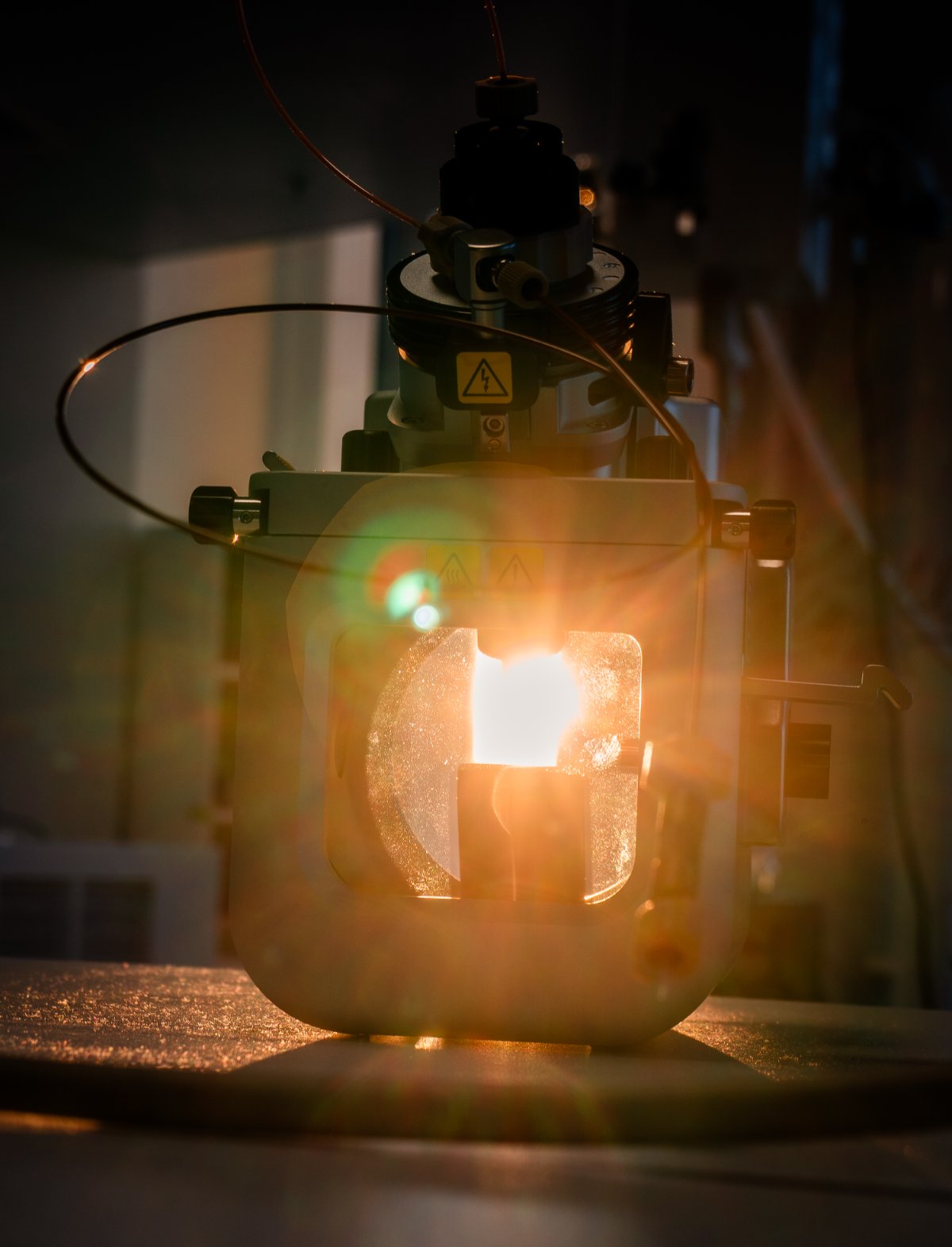
In the Olsen Group, we develop mass spectrometry-based proteomic methods to study proteins and their post-translational modifications. Mostly, the work starts with practical questions: how can we get more from a small sample, separate peptides more effectively, or acquire better data in less time?
We use these methods to investigate how proteins are regulated and how they change across cells, tissues and clinical samples. Our work ranges from deep proteome and phosphoproteome profiling to measurements in single cells and specific regions of tissue.
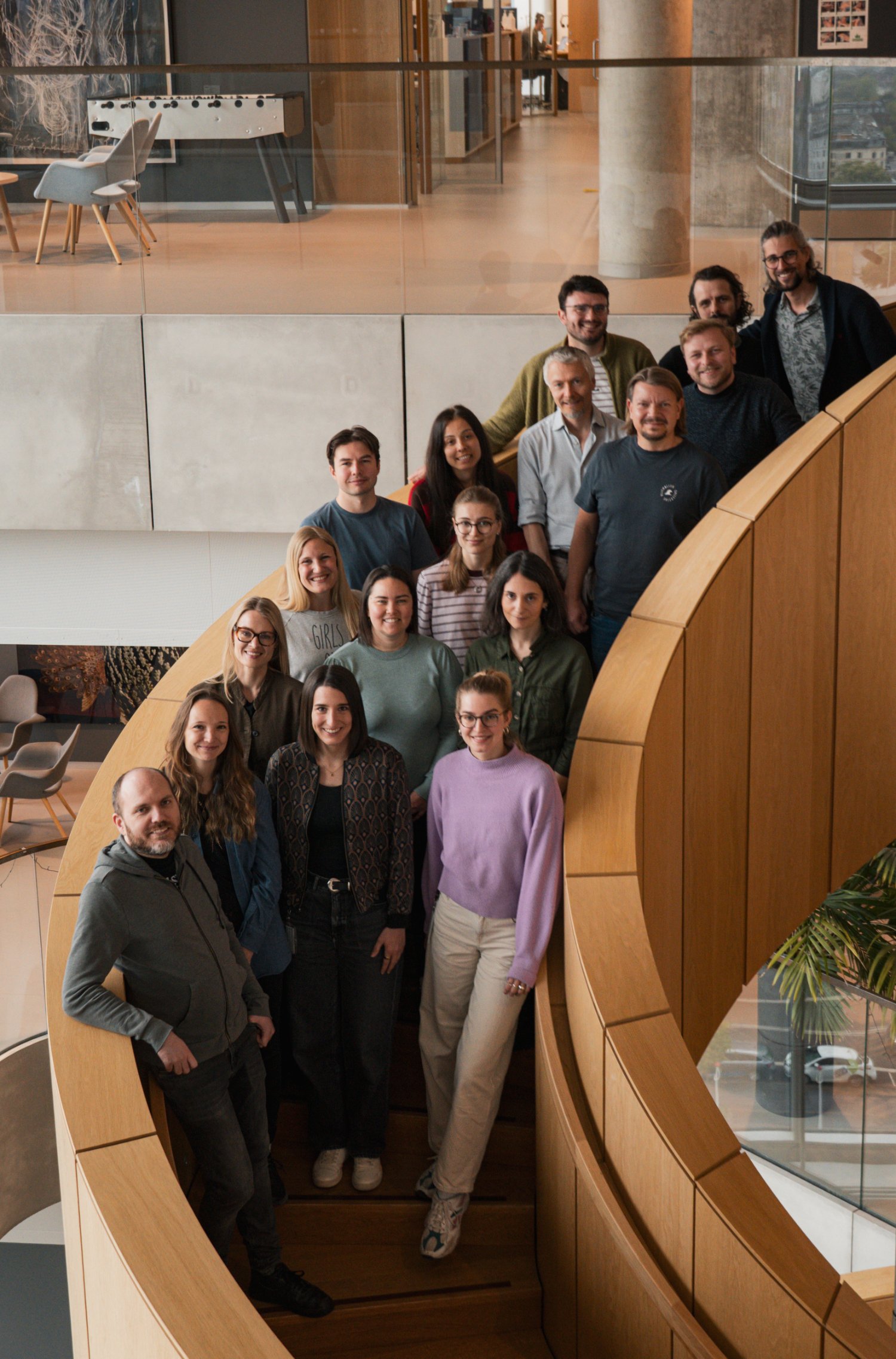
A collaborative team of scientists with different backgrounds.
Twenty researchers advancing the next generation of quantitative proteomics, from mass spectrometry method development through to biological and clinical application. Together we build the tools, then use them to read how cells make decisions.
The group is part of the Copenhagen Center for Glycocalyx Research (CGR) at the University of Copenhagen.
Meet the group →Recent work from the group.
High-fidelity bispecific protease KRysin for deeper plasma proteomics and phosphoproteomics.
High-throughput spatial proteomics from cellular to subcellular scales via a hanging droplet workflow.
A phosphoproteome atlas of human cell lines reveals the landscape of kinase activity.
Pulsed-SILAC in single mouse embryos reveals early embryonic protein synthesis dynamics and phosphosite regulation.
Our roots at the Center for Protein Research
The Novo Nordisk Foundation Center for Protein Research (CPR) at the University of Copenhagen was founded in 2007. Jesper Olsen joined CPR as a professor in 2009, and the Olsen Group will remain a part of CPR until the very end of 2026. Much of our proteomics and mass spectrometry work took shape there.
cpr.ku.dk →